

Aerobic vs Anaerobic: What Every Practitioner (and Athlete) Should Understand About Fuel Systems

If you work with athletes, active clients, or everyday humans trying to feel better in their bodies, the topic of aerobic vs anaerobic energy systems comes up more often than you might realise, even when no one uses those exact words.
“Why do I gas out so quickly?”
“Why can I jog forever but sprinting kills me?”
“Why does my client feel wrecked after short, intense sessions but fine after long walks?”
These questions all trace back to how the body produces energy.
And here’s the key point many people miss: aerobic and anaerobic systems don’t work in isolation. They overlap, cooperate, and constantly shift dominance depending on intensity, duration, fitness, health status, hormones, stress, and fuel availability.
This article breaks down the aerobic vs anaerobic conversation in a practical, practitioner-friendly way (without the physiology overwhelm) and connects it to real-world clients, not just elite athletes.
The Big Picture: Energy Is Always ATP
No matter the activity — breathing, walking, lifting, sprinting, thinking — the body runs on ATP (adenosine triphosphate).
ATP is the body’s immediate energy currency. The challenge is that we only store a tiny amount of it. So the body must constantly regenerate ATP, using different fuel systems depending on demand.
Those systems are commonly grouped into three overlapping pathways:
- Phosphagen system (ATP-PC)
- Anaerobic glycolytic system
- Aerobic oxidative system
Understanding aerobic vs anaerobic really means understanding when and how these systems contribute — and why one might dominate or struggle in certain people.
1. The Phosphagen System: Immediate Power, Very Short Duration
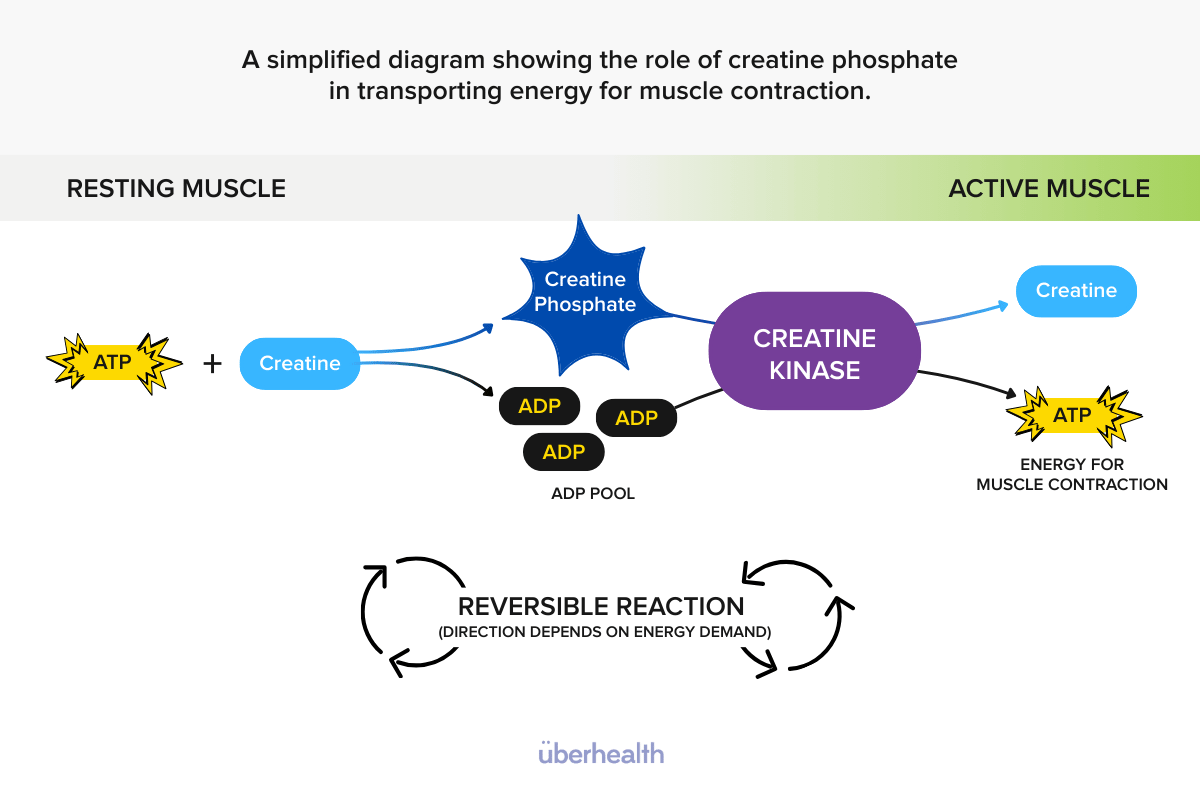
The phosphagen system is the body’s fastest way to regenerate ATP.
- Fuel source: Creatine phosphate
- Oxygen required: No
- Duration: 0–10 seconds
- Output: Very high power
This system drives explosive efforts like:
- A jump
- A heavy lift
- A short sprint
- The first few seconds of any intense movement
Once creatine phosphate is depleted, this system shuts down quickly. There’s no pacing it. It’s either available or it isn’t.
Clinical Relevance
Low creatine stores, poor recovery, or chronic under-fueling can blunt this system. In practice, that shows up as:
- Poor power output
- Rapid fatigue at the start of effort
- “I feel weak, not unfit”
2. The Anaerobic System: Fast Energy with a Cost
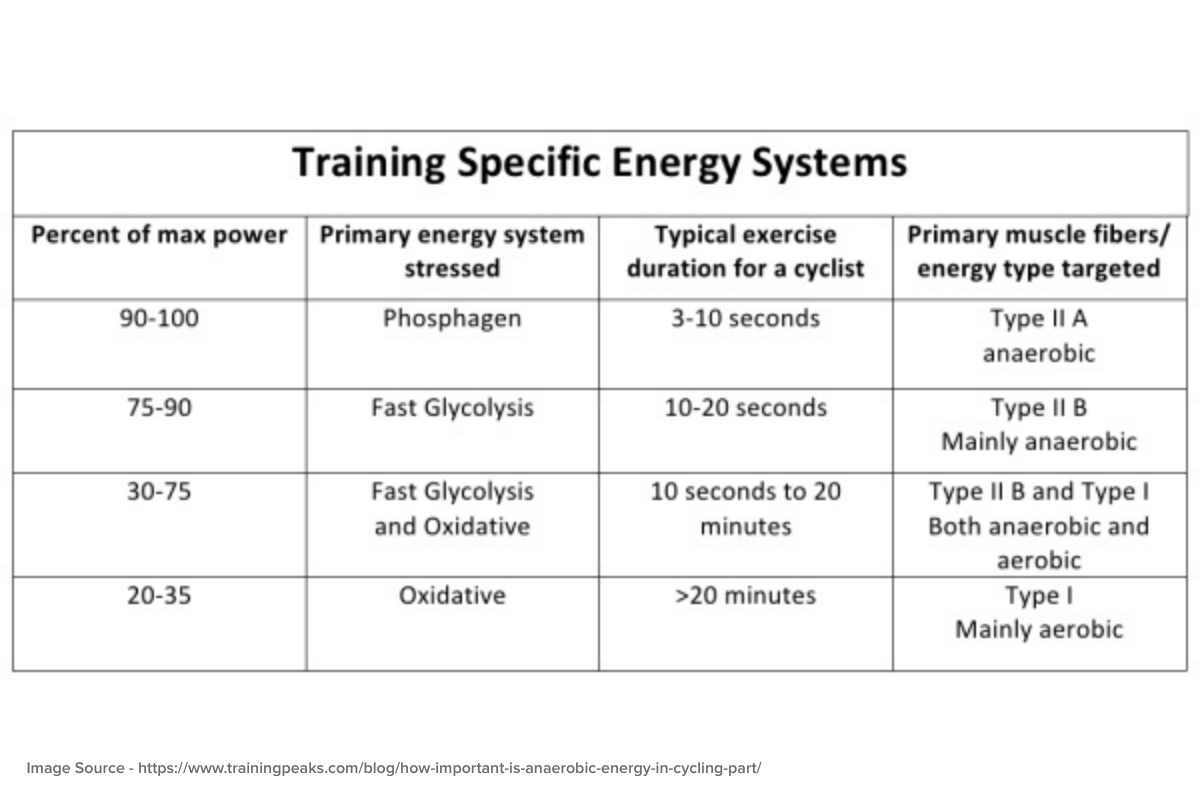
The anaerobic (glycolytic) system breaks down glucose without oxygen to regenerate ATP.
- Fuel source: Glucose / glycogen
- Oxygen required: No
- Duration: ~10 seconds to ~2 minutes
- Output: High power, limited sustainability
This system dominates during:
- Hard intervals
- Repeated sprints
- Heavy circuits
- Intense sport efforts
Lactate: Not the Villain It’s Made Out to Be
A common misunderstanding in the aerobic vs anaerobic discussion is lactate.
Lactate is not waste. It’s a valuable fuel that can be:
- Shuttled to other muscle fibres
- Used by the heart
- Converted back into glucose in the liver
The problem isn’t lactate production; it’s poor lactate clearance.
When the anaerobic system outpaces the aerobic system’s ability to clear and reuse lactate, we see:
- Burning sensations
- Rapid fatigue
- Loss of coordination
- The familiar “I’ve hit the wall” feeling
Clinical Relevance
Clients who struggle here often:
- Over-rely on glycolysis
- Have an underdeveloped aerobic capacity
- Train hard but recover poorly
- Feel smashed after short efforts but flat during longer ones
3. The Aerobic System: Sustainable Energy, Broad Support
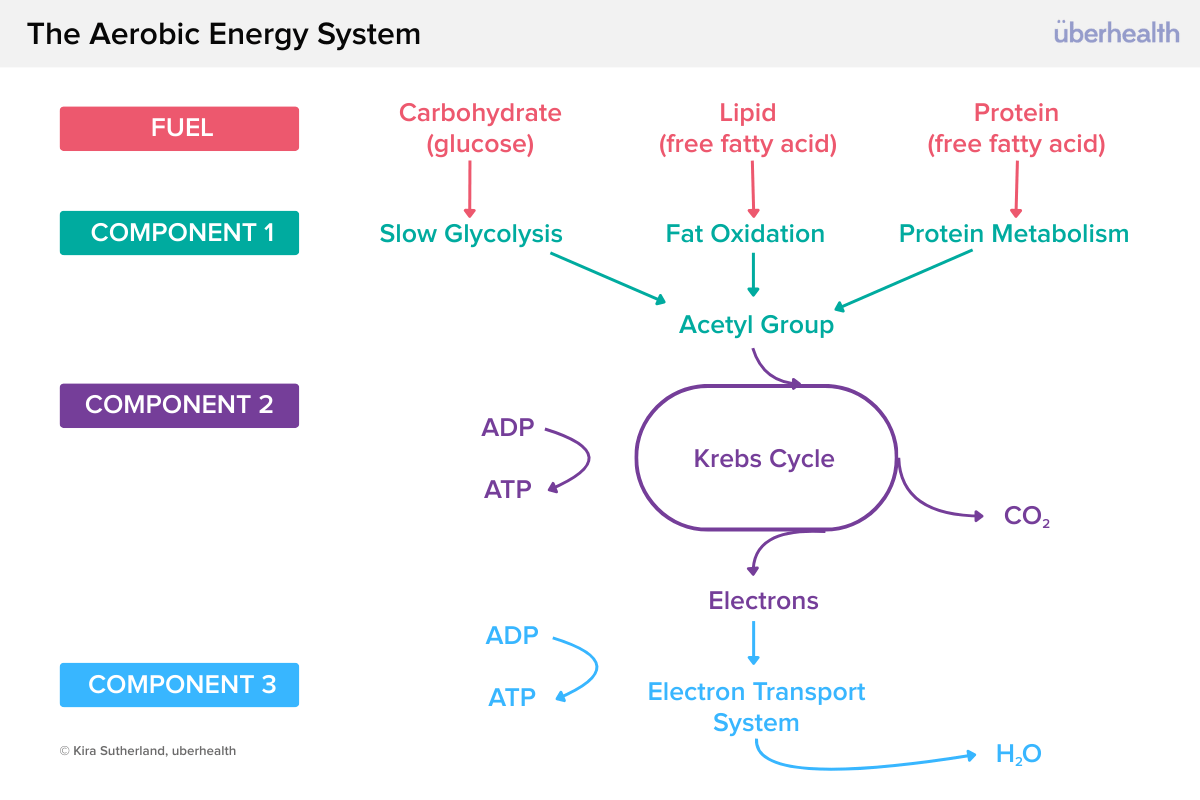
The aerobic system uses oxygen to generate ATP from:
- Carbohydrates
- Fats
- (To a lesser extent) amino acids
- Oxygen required: Yes
- Duration: Minutes to hours
- Output: Lower power, high sustainability
This system underpins:
- Endurance exercise
- Recovery between efforts
- Daily movement
- Brain function
- Metabolic health
Crucially, the aerobic system:
- Clears lactate
- Resynthesises creatine phosphate
- Supports nervous system regulation
- Buffers stress responses
This is why the aerobic vs anaerobic debate isn’t about choosing one; the aerobic system supports all the others.
How These Systems Actually Work Together
The idea that the body “switches” cleanly between systems is outdated.
In reality:
- All systems are always active
- The body simply shifts emphasis based on demand
For example:
- A sprint starts with phosphagen dominance
- Anaerobic glycolysis quickly ramps up
- The aerobic system works in the background to support recovery and clearance
The fitter the aerobic system, the more:
- Lactate can be reused
- High-intensity work feels controlled
- Recovery improves between efforts
This is where the aerobic vs anaerobic conversation becomes clinically useful rather than theoretical.
Everyday Clients vs Athletes: Same Systems, Different Stressors
Not everyone needs to sprint or compete, but everyone relies on these energy pathways.
In Athletes
We often see:
- High anaerobic capacity
- Underdeveloped aerobic base
- Repeated intensity without enough low-intensity work
This leads to:
- Plateaued performance
- Poor recovery
- Recurrent injuries
- Hormonal stress responses
In Everyday Clients
We often see:
- Weak aerobic foundations
- Overactivation of anaerobic stress pathways
- Fatigue from low-level daily stress, not training
Common presentations include:
- Feeling puffed walking uphill
- Needing caffeine to function
- Poor stress tolerance
- Exercise intolerance
- Post-exercise crashes
These clients aren’t “unfit”, their fuel systems are mismatched to demand.
Why Aerobic Capacity Matters More Than People Think
A robust aerobic system:
- Improves mitochondrial density
- Enhances fat oxidation
- Stabilises blood glucose
- Supports nervous system regulation
- Improves recovery from all stressors
From a practitioner lens, improving aerobic function often improves:
- Sleep quality
- Hormonal balance
- Stress resilience
- Energy consistency
- Training tolerance
This is why dismissing low-intensity aerobic work as “easy” or “pointless” misses the mark entirely.
Nutrition Implications: Fuel Availability Shapes the System
The aerobic vs anaerobic balance is heavily influenced by nutrition.
Key considerations:
- Low carbohydrate availability limits anaerobic output
- Poor fat adaptation limits aerobic sustainability
- Under-fueling increases stress hormones
- Inadequate protein impairs recovery and mitochondrial adaptation
For practitioners, this explains why:
- Some clients feel awful when training fasted
- Some struggle with repeated high-intensity work
- Some improve dramatically with better carbohydrate timing
Fuel systems adapt to what’s consistently available.
Training Implications: Matching Intensity to Capacity
Not every client benefits from high-intensity training, especially early on.
A common mistake is prescribing:
- Too much intensity
- Too little base work
- Too little recovery
From an aerobic vs anaerobic standpoint, this often leads to:
- Anaerobic dominance
- Poor lactate clearance
- Elevated fatigue
- Plateaued progress
Building aerobic capacity first allows anaerobic work to become:
- More effective
- Better tolerated
- Less stressful
Key Takeaways for Practitioners
If there’s one thing to retain from the aerobic vs anaerobic discussion, it’s this:
- These systems are interdependent
- Aerobic capacity underpins resilience
- Anaerobic power without aerobic support is fragile
- Most clients need more aerobic work, not less
- Energy complaints are often fuel-system complaints
When you assess clients through this lens, patterns become clearer and interventions become more precise.
Final Thoughts
Whether you’re working with elite athletes or everyday clients, understanding aerobic vs anaerobic energy systems changes how you interpret fatigue, performance, and recovery.
It moves the conversation from:
“Try harder”
to
“Let’s match the system to the demand.”
And that’s where real, sustainable progress lives.
— Kira Sutherland

FREE RESOURCE
PROTEIN & CARB GUIDE
