

Carbs & Weight Gain - A Clinical Perspective
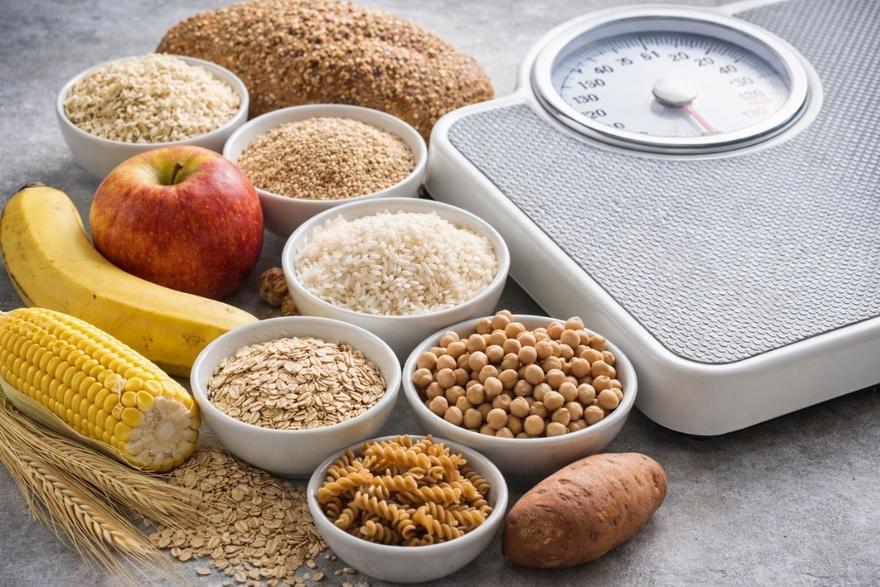
One of the most persistent myths I see in clinic (and honestly, one of the most damaging) is the idea that carbohydrates cause weight gain.
They don’t.
Not directly. Not inherently. And not in the way they’re usually blamed.
What does contribute to weight gain is chronic energy imbalance, which is driven by physiology, hormones, stress load, training demands, sleep, gut health, and how well (or poorly) your body is actually using fuel.
Carbohydrates: Fuel, Not Fat
Carbohydrates are the body’s preferred fuel source for:
- Brain function
- Nervous system regulation
- High-intensity training
- Glycogen storage in muscle and liver
- Thyroid hormone conversion
- Reproductive hormone signalling
When carbs are eaten, they’re either:
-
Used immediately for energy
-
Stored as glycogen (which is limited storage)
-
Converted to fat only when there is sustained energy excess and poor metabolic handling
That third scenario is far less common than people think.
The Real Issue: Chronic Energy Mismatch
Weight gain tends to occur when there is a long-term mismatch between:
- Energy intake
- Energy output
- Metabolic capacity
This mismatch is rarely just “too many carbs”.
More often, I see combinations like:
- Under-fuelled training paired with stress hormones
- Poor sleep driving insulin resistance
- Low muscle mass reducing glucose disposal
- Perimenopausal hormonal shifts altering fuel partitioning
- Long-term dieting slowing metabolic rate
- Inflammation impairing insulin signalling
When Carbs Appear to Be the Problem
Carbohydrates can look like the culprit when:
- Muscle glycogen storage is impaired
- Insulin sensitivity is reduced
- Cortisol is chronically elevated
- Thyroid output is suppressed
- Training load and recovery are mismatched
- Meals lack sufficient protein and fibre
In those cases, carbs aren’t the cause; they’re actually the messenger revealing an underlying issue. Remove the carbs without fixing the system, and things often get worse. What you'll see are things like:
- Reduced training output
- Poor recovery
- Hormonal disruption
- Increased fatigue and cravings
- Loss of lean mass
- Short-term weight loss, long-term metabolic problems.
Context Matters (A Lot)
From a clinical perspective, carbohydrate needs vary based on:
- Training intensity and frequency
- Muscle mass
- Stress load
- Hormonal phase (especially perimenopause)
- Gut health
- Sleep quality
- Metabolic history
The goal isn’t “low carb” or “high carb”.
The goal is appropriate carb availability for your physiology.
What I Look At In Practice
When someone says, “Carbs make me gain weight”, I then assess these 9 things first:
- Total energy intake vs expenditure
- Protein adequacy
- Strength training status
- Glycaemic control
- Cortisol patterns
- Thyroid markers
- Menstrual or menopausal status
- Sleep consistency
- Inflammation and gut function
Once those are addressed, carbs usually stop being the villain. Because carbohydrates don’t cause weight gain in isolation, chronic energy imbalance does. And that imbalance is shaped by physiology.
If carbs feel like they’re “not working” for you or your clients, that’s valuable information. It tells you where to look deeper, not what to eliminate blindly.
This distinction between carbs as fuel and chronic energy imbalance as the driver sits at the heart of my Applied Weight Loss Nutrition lecture series. The lectures explore these concepts in depth, moving from physiology to practical application in clinic. It’s designed for practitioners who want a clearer, more confident framework for assessing weight gain and building sustainable, individualised weight-loss strategies with clients.
Find out more:
https://www.kirasutherland.com.au/applied-weight-loss-nutrition

FREE RESOURCE
PROTEIN & CARB GUIDE
